

Gutenberg vs Elementor for Travel Blogs: Which Builder is Right for You?

The digital landscape for travel creators has shifted dramatically. Travel blogging is no longer just about writing stories; it’s about providing high-resolution visual experiences, interactive maps, and lightning-fast load times for readers on the move. When building your site, the choice often narrows down to two titans: the native WordPress block editor and the most popular page builder on the market.
In this comprehensive guide, we will analyse Gutenberg vs Elementor specifically through the lens of a travel creator. Whether you are documenting a backpacking trip through Southeast Asia or running a luxury hotel review site, choosing the right tool will determine how much time you can save when you start a travel blog with WordPress.
What is Gutenberg?
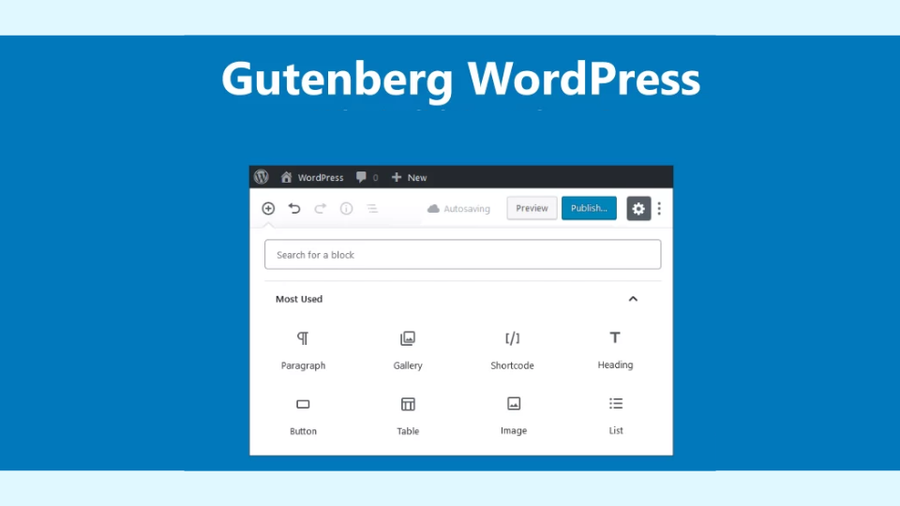
Gutenberg is the official, native content editor for WordPress, introduced in late 2018 as part of WordPress 5.0. It represented a fundamental shift from the old Classic Editor, which functioned much like a standard Microsoft Word document, to a modern, modular system. In this environment, every piece of content is treated as a standalone “Block.” Whether you are inserting a paragraph, a high-resolution travel photo, a YouTube video of your latest trek, or a button to book a tour, each element is its own block that can be moved, styled, and configured independently.
Gutenberg has matured far beyond a simple text editor. It is now the engine behind Full Site Editing (FSE). This means that for a travel blogger, the editor is no longer just for writing posts; you can use blocks to design your entire website, including your header, footer, and sidebar. The primary advantage of Gutenberg is its native status. Because it is built directly into the WordPress core, it doesn’t require any additional software to run. This results in incredibly clean, standardised code that search engines love.
For the modern traveller, Gutenberg offers pre-designed layouts that allow you to quickly drop in a complex itinerary or a “Packing Essentials” grid with a single click. This is especially helpful if you are trying to find the best travel booking WordPress theme that maintains high speed while handling complex layouts. In the Elementor vs Gutenberg comparison, Gutenberg is the minimalist’s dream: it provides a stable, fast, and future-proof foundation that ensures your stories remain accessible and readable, even on the slowest hotel Wi-Fi in a remote place.
What is Elementor?
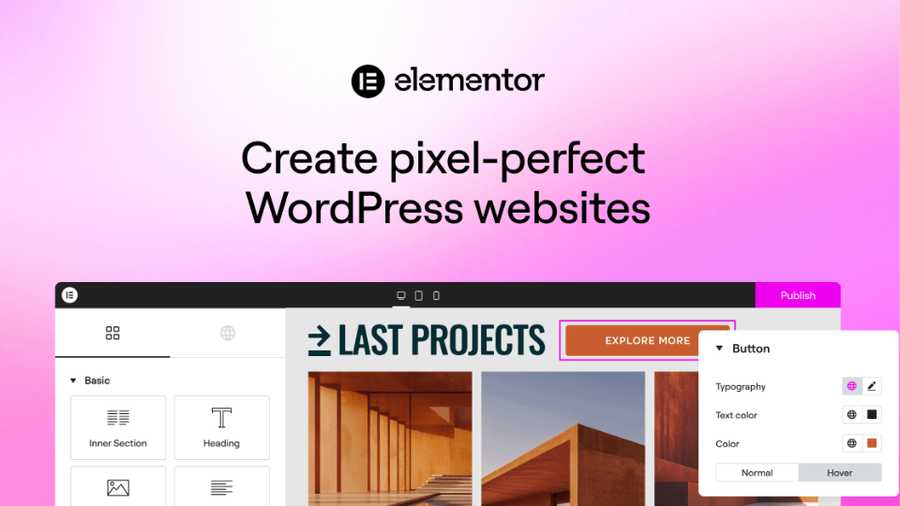
Elementor is a drag-and-drop page builder plugin that transformed the way WordPress sites were designed. While Gutenberg is built into WordPress, Elementor is an external tool you install to gain total visual control over your site. It operates on a “What You See Is What You Get” (WYSIWYG) philosophy, allowing you to edit your travel blog on the front end. You aren’t just guessing what your page will look like; you are moving elements, adjusting margins, and changing colours in real-time exactly as your readers will see them.
The depth of Elementor’s customisation is its greatest strength. It uses a hierarchy of Sections, Columns, and Widgets, giving you pixel-perfect control that Gutenberg simply cannot match without extensive custom coding. When we look at Elementor Pro vs Gutenberg, the professional version unlocks a suite of marketing tools that are invaluable for travel entrepreneurs. This includes a visual Theme Builder to create custom templates for your “Destination Guides,” a Popup Builder to capture emails for your newsletter, and an extensive library of professional templates that can make a brand-new blog look like an established travel magazine in minutes.
Furthermore, Elementor has heavily integrated AI, assisting bloggers in generating text, images, and even custom CSS directly within the editor. While Gutenberg focuses on the “Standard,” Elementor focuses on the “Spectacular.” It is designed for those who want their travel blog to be a visual masterpiece. If you want a homepage with parallax scrolling mountain ranges, animated statistics about your miles travelled, and sophisticated hover effects on your gallery images, Elementor is the engine that makes that level of “Total Creative Freedom” possible for users of all technical skill levels.
Gutenberg vs Elementor: Detailed Comparison
Choosing between these two depends on your technical comfort level and your design goals. Let’s break down the most critical factors for travel content.
1. Performance and Loading Times

In travel blogging, performance isn’t just a technical metric; it is a critical SEO factor. When we look at Elementor vs Gutenberg speed, the native block editor has a significant architectural advantage. Because Gutenberg is part of the WordPress core, it generates lean, semantic HTML without the need for additional scripts. Sites built with Gutenberg often achieve 90+ PageSpeed scores right out of the box, ensuring that readers in remote locations with poor connectivity can still access your travel guides.
In contrast, Elementor functions as a visual overlay, which inherently adds weight. Even with small optimisations, an Elementor page can add 200–400KB of extra CSS and JavaScript per load compared to Gutenberg. While Elementor vs Gutenberg benchmarks show that Elementor can still hit the 2.5-second LCP (Largest Contentful Paint) threshold, it often requires premium caching and high-end hosting to do so. This performance gap is a major consideration in many software evaluations, as seen in our WP Hotel Booking review, where efficiency directly impacts the user experience.
For a travel blog where high-resolution imagery is already straining your load times, the extra “bloat” from a page builder can be the difference between a bounce and a conversion. If your goal is the absolute fastest mobile experience, Gutenberg is the clear winner.
2. Design Flexibility and Ease of Use

For travel bloggers, the interface is where you spend hours crafting stories. In this category, Elementor vs Gutenberg offers a stark contrast in philosophy.
Elementor focuses on customisation, providing a pixel-perfect, drag-and-drop experience that feels more like designing in Canva or Photoshop than traditional blogging. You can place a “Book Now” button exactly where you want it, apply an animation to your mountain range photos, or create sticky navigation bars that follow the reader as they scroll through your itinerary.
Gutenberg, while rapidly evolving, still feels more structured. While you can use “Block Patterns” to drop in pre-designed travel layouts, you are often working within the predetermined boundaries of your theme’s CSS. If you want a unique, high-end factor for a luxury destination guide, Gutenberg might require you to hunt for specific block add-ons. However, for the average travel creator who just wants a clean, professional look for their stories, Gutenberg’s simplicity is its strength; it prevents you from over-designing and keeps the focus on your photography and your writing.
3. The “Big Three”: Divi vs Elementor vs Gutenberg
When expanding your search, you will likely encounter the Divi vs Elementor vs Gutenberg rivalry.
Divi has long been a favourite for its all-in-one design system and generous lifetime licensing, making it a budget-friendly choice for long-term creators. However, Divi is often criticised for its shortcode lock-in; if you ever stop using it, your travel posts could turn into a mess of unreadable code.
Elementor sits in the middle, offering more modern design widgets and a massive ecosystem of third-party templates specifically for travel niches. It is faster to build a landing page in Elementor than in Gutenberg, but it comes with the bloat mentioned earlier. Gutenberg remains the performance-first alternative. Most advanced travel agencies have shifted toward a hybrid model: using Gutenberg for their hundreds of daily blog posts to ensure SEO dominance, and using Elementor or Divi for high-converting marketing pages.
4. Customisation Power: Elementor Pro vs Gutenberg
When you transition from a hobbyist to a professional, the debate shifts to Elementor Pro vs Gutenberg.
Elementor Pro is a true business toolkit. It includes a “Theme Builder” that allows you to design a custom template for your travel posts, a “Popup Builder” to capture leads for your newsletter, and dedicated WooCommerce widgets if you plan to sell digital itineraries or presets.
Gutenberg, on the other hand, is essentially free. You can achieve similar power by installing specific block libraries like Kadence or Spectra. However, this often leads to plugin creep, where you are managing five different plugins to do what Elementor Pro does in one.
The choice here is a trade-off: Elementor Pro offers a unified, polished, but paid experience, while Gutenberg offers a modular, free, but sometimes fragmented workflow. For a travel blog looking to scale, the convenience of Elementor Pro often outweighs its cost.
5. Mobile-Friendliness and On-the-Go Editing

Travellers are unique because they are often their own tech support while halfway across the world. When comparing Elementor vs Gutenberg in a mobile context, you have to look at how readers see your blog and how you edit.
The blocks of Gutenberg are designed to be smooth. Because it uses standard WordPress styling, it is very difficult to break a mobile layout. Furthermore, if you need to make a quick text correction to a blog post while sitting on a train in Italy, the native WordPress mobile app handles Gutenberg blocks much more reliably than a heavy page builder.
Elementor offers incredible responsive Controls. You can choose to hide specific heavy widgets on mobile or change font sizes specifically for phone screens. However, because you have so much freedom, it is easy to accidentally create a layout that looks great on your desktop but is “broken” or overlapping on a smartphone.
Gutenberg is safer and easier for quick mobile updates, while Elementor offers more granular control for those willing to spend the extra time testing every screen size.
6. Time to Launch
As a travel blogger, your time is better spent exploring a new city than troubleshooting a column layout. The Elementor vs Gutenberg debate often comes down to how much time you are willing to invest in learning the tool.
For most, the learning curve of Gutenberg is shallow but steady. If you’ve ever used a basic text editor, you’ll understand Gutenberg in minutes. However, as you try to do more complex things, like building a custom “Gallery Grid”, you might find yourself needing to learn how specific Block Patterns work or how to navigate the List View to find nested elements.
Elementor has a visual learning curve. It is incredibly intuitive; you just drag a widget and see it happen. However, because there are hundreds of settings for every single block (margin, padding, z-index, entrance animations), it can be overwhelming. Many beginners can spend hours tweaking a single button’s shadow rather than publishing their latest travel guide.
FAQ: Gutenberg vs Elementor
Is Gutenberg better for SEO than Elementor?
Strictly speaking, Gutenberg has a slight edge because of speed. Since search engines like Google prioritise fast-loading pages (Core Web Vitals), the native efficiency of Gutenberg vs Elementor often leads to better technical SEO scores out of the box.
Can I use both Gutenberg and Elementor on the same site?
Yes. Many travel bloggers use Elementor vs Gutenberg strategically: they use Elementor to design a stunning homepage and “About Me” page, while using Gutenberg for their actual travel stories and blog posts to keep those pages fast and easy to manage.
Which is easier for beginners?
Elementor is generally considered more intuitive for beginners because it is purely visual. Gutenberg is getting closer, but it still requires a bit of understanding regarding how WordPress “themes” and “blocks” interact.
Conclusion: Which Builder is Right for Your Travel Blog?
Ultimately, both tools are capable of creating world-class travel websites. The best approach is often to test Gutenberg first, since it’s free and already installed and only move to Elementor if you think that the platform is not right for you.
In the fast-paced world of travel, your blog needs to be as adaptable as you are. Whether you prioritise the raw power of Elementor vs Gutenberg speed or the creative freedom of a visual builder, ensure your choice allows you to spend more time exploring the world and less time stuck behind a screen.
Read more: How to Speed Up WordPress Travel Website for Better SEO
You may also like
8 Common Travel Website Design Mistakes That Can Reduce Bookings
Posted on June 25, 2026Think about the last time you booked a trip online. You probably had five different browser tabs open, comparing flights, hotels, and local tour operators. You were looking for the perfect getaway, but you were also looking for a seamless experience. Now, think about what made you close some of those tabs without buying.


How to Add Customer Reviews to Travel Website
Posted on June 22, 2026When planning a vacation, a weekend getaway, or a guided tour, travellers naturally want reassurance from real people who have already spent their hard-earned money on those experiences. Because they cannot physically test your travel services before purchasing, they look for visual indicators of safety, quality, and reliability. Adding genuine feedback directly onto your