

How to Choose a Travel WordPress Theme (Beginner-Friendly Guide)?
Embarking on a journey to create a professional travel website is an exciting venture, but the technical foundation you choose will help you avoid unnecessary hurdles. For many, the first major step is understanding how to choose a travel WordPress theme that balances aesthetic beauty with high-end performance. Your website is not just a collection of pages; it is your digital storefront, your storytelling canvas, and often your primary booking office.
First impressions are almost entirely visual. However, a theme that looks stunning but fails to load quickly or function on mobile devices will drive away your audience. This WordPress theme selection guide is designed to help beginners navigate the sea of available options, ensuring you select a foundation that supports your growth and simplifies your workflow. For more specialised needs, you can also explore the best hotel WordPress themes with beautiful designs to see how high-end aesthetics work in practice.
What is a Travel Theme Website?
A travel theme website is a specialised digital platform tailored to meet the specific requirements of the travel, tourism, and hospitality sectors. Unlike a standard personal blog or a corporate portfolio, these websites are architecturally designed to handle media, such as high-definition galleries and video backgrounds, while integrating complex logistical tools.
When you choose a WordPress theme for travel blog purposes or for a tour agency, you are looking for a system that can effectively display destination guides, interactive maps, and trip itineraries. If you are starting from scratch, learning how to start a travel blog with WordPress can provide a clearer roadmap for your digital journey. These sites act as a bridge between inspiration and action. They provide the visual through immersive layouts while offering the utility through features like currency switchers, weather widgets, and location-based filtering. Essentially, a travel theme transforms a standard WordPress installation into a powerful engine.
Why Use a WordPress Travel Theme?
You might wonder if a multipurpose theme could do the job just as well. While multipurpose themes are flexible, a dedicated travel theme is built with features that are tailored for travel. Here is why prioritising a travel theme is crucial when you learn how to choose a travel WordPress theme:
- Niche-Specific Workflows: Travel themes often come with pre-built custom post types for “Tours,” “Destinations,” and “Itineraries.” This is especially useful if you plan to monetise your site using a travel affiliate WordPress theme, as these layouts are already optimised for high conversion rates. This means you don’t have to figure out how to format a complex trip schedule; the layout is already waiting for your content.
- Built-in Industry Tools: Many of these themes include integrated booking systems or are designed to work perfectly with plugins like WP Hotel Booking or WooCommerce. This reduces the risk of plugin conflicts that often plague general-purpose themes.
- Optimised User Journey: The user experience (UX) in a travel theme is mapped out for explorers. From “Book Now” buttons to review sections and rating systems, every element is placed to guide the visitor toward a conversion.
- Lower Development Costs: For a beginner, trying to add a booking calendar or a destination map to a basic theme usually requires hiring a developer. A travel theme includes these features out of the box, saving you hundreds of dollars in custom coding.
What to Look for in a Travel WordPress Theme: The Essential Checklist
To make the selection process more manageable, it is helpful to expand the evaluation criteria. Instead of looking only at the surface design, a comprehensive travel theme features checklist should include functional points. Using a structured WordPress theme selection guide helps ensure that no critical element is overlooked during the research phase.
1. Visual Impact & Design Simplicity
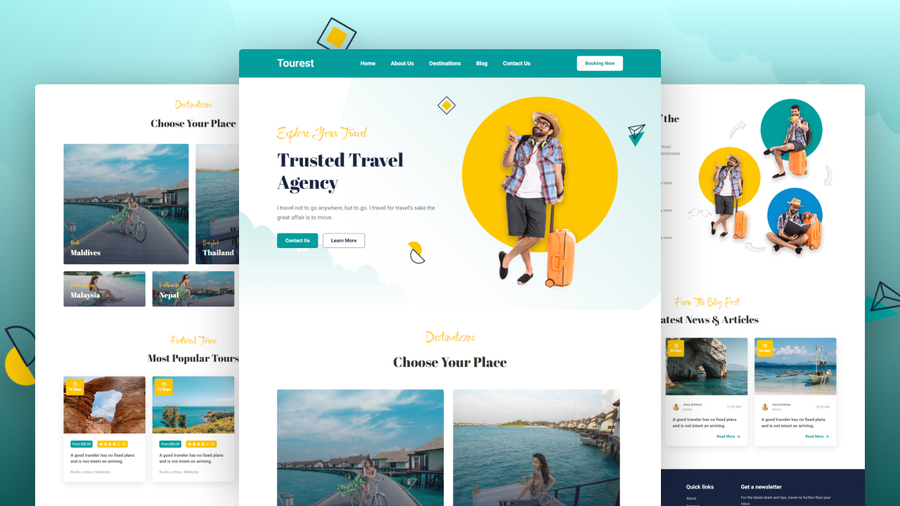
The travel industry is fundamentally driven by visual inspiration. When you choose WordPress theme for travel blog or agency projects, the layout must be able to handle high-resolution imagery without feeling cluttered. A high-quality theme uses a minimalist design philosophy, allowing your destination photos to act as the primary focus.
Simplicity in design is not just about aesthetics; it is about user retention. You should look for themes that offer a clean balance of whitespace and professional typography.
A simple layout ensures that navigation is intuitive, helping users find itineraries or contact information quickly. When evaluating what to look for in a travel theme, prioritise a “content-first” approach. This means the theme should highlight your stories and photos rather than distracting users with excessive animations or complex sidebars that do not serve a direct purpose.
2. Page Loading Speed and Technical Performance

Technical performance is a critical factor in any WordPress theme selection guide. While beautiful images are necessary, they can increase page weight and lead to slow loading times.
When researching how to choose a travel WordPress theme, it is vital to select a product built with clean, lightweight code. High-quality themes are optimised for performance and meet Google’s Core Web Vitals standards. This ensures that the site remains stable and fast, providing a better experience for the user.
Fast-loading sites also benefit from higher search engine rankings. It is advisable to test the theme’s demo using speed analysis tools before making a purchase. Look for features like lazy loading, which prevents images from loading until the user scrolls down to them. This technical efficiency ensures your site can handle high traffic without crashing or slowing down.
3. Mobile Responsiveness and Cross-Device Compatibility
In the travel niche, global internet traffic from mobile devices is often high as travellers check details or book tours on the go. Any travel theme features checklist must include mobile responsiveness as a requirement.
A responsive theme automatically adjusts its layout to fit the screen size of a smartphone, tablet, or desktop. This provides a consistent user experience across all devices. If a website is difficult to navigate on a phone, visitors are likely to leave and look for a competitor.
When you choose a WordPress theme for travel blog sites, ensure that buttons are easy to click on small screens and that text remains legible without zooming. Professional themes often include mobile-first design elements, ensuring that the most important information is easily accessible. Testing the mobile version of a theme’s demo is a crucial step in the WordPress theme selection guide to prevent high bounce rates. To narrow down your search, you can refer to a curated list of the best responsive travel WordPress themes currently available.
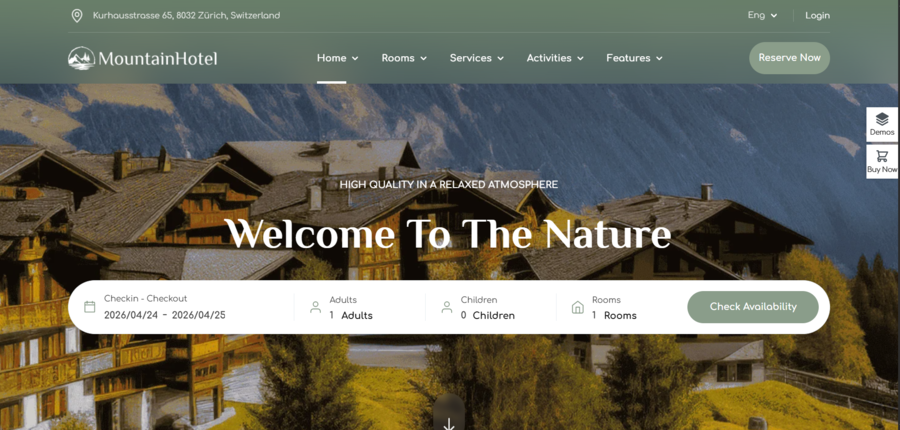
If you are looking for a practical example of high-end mobile performance, the Sailing Hotel WordPress Theme is a standout option. Developed by ThimPress, this theme is specifically architected for hotel and travel booking websites where mobile usability is a top priority. Sailing can help you capture the growing market of travellers who book their stays entirely via smartphone. It effectively bridges the gap between complex desktop management and a seamless, mobile-first guest experience.
4. SEO-Friendly Architecture
Search Engine Optimisation (SEO) is the process of increasing the visibility of your website in organic search results. A theme’s code significantly impacts your ability to rank on Google. When learning how to choose a travel WordPress theme, look for those that explicitly mention “SEO Optimised” in their documentation.
An SEO-friendly theme follows current web standards to make it easier for search engine bots to crawl and index your content. This includes proper use of header tags (H1, H2, H3) and support for schema markup, which helps search engines understand your trip prices, ratings, and itineraries.
Furthermore, a well-coded theme integrates seamlessly with popular SEO plugins. Since most of the search traffic goes to the first page of results, having an SEO-optimised foundation is essential for driving organic growth. A theme that is slow or uses outdated code will hinder your marketing efforts, regardless of how good your content is.
5. Integrated Booking and Reservation Systems

For a travel agency or tour operator, the ability to take bookings directly on the site is a core requirement. Your travel theme features checklist should prioritise compatibility with booking management plugins. This allows users to view availability, select dates, and pay for their trips without leaving your website.
A theme that includes or supports a robust booking engine reduces the need for expensive custom development. It should provide clear CTA buttons, such as “Book Now” or “Check Availability,” and a user-friendly WordPress booking form in prominent locations.
When evaluating what to look for travel theme, check if it supports secure payment gateways like PayPal or Stripe. An integrated system provides a smoother user journey, which increases the likelihood of a completed reservation. It also allows you to manage your inventory and customer data in one centralised location, making the administrative side of your travel business much easier to handle for a beginner.
6. Customisation, Flexibility and Page Builder Support
Every travel brand has a unique identity, so you need a theme that allows you to change colours, fonts, and layouts. The best WordPress theme selection guide suggests choosing themes that are compatible with popular page builders like Elementor or Gutenberg.
This flexibility allows you to customise your site visually without needing to learn how to code. You can drag and drop elements to create custom landing pages for specific tours or destinations. Having control over the design ensures that your website reflects your brand’s personality.
When you choose a WordPress theme for travel blog purposes, check if the theme offers a live customizer. This feature lets you see your changes in real-time before you publish them. High levels of customisation ensure that your site does not look like a generic template, helping you stand out in the crowded travel market. This autonomy is vital for long-term site management.
7. Testimonials and Review Systems
Trust is the most valuable currency in the travel industry. When prospective clients look at your tours, they seek validation from others who have already experienced your services. Your travel theme features checklist must include built-in support for testimonials and review sections. These features allow you to showcase authentic feedback, which significantly influences the decision-making process for new visitors.
A high-quality theme provides dedicated layouts for user ratings and detailed comments. This structure makes it easy for readers to assess the quality of your services at a glance. Including these elements helps build a community around your brand and increases your credibility.
Furthermore, having a structured review system is beneficial for SEO. User-generated content provides fresh material for search engines to index, often including natural keywords that help your site rank higher. When you evaluate what to look for travel theme, prioritise designs that integrate these trust-building blocks seamlessly into the destination and tour pages.
8. Social Media Integration

Travel is a highly social experience, and your website should act as an extension of your social media presence. In any WordPress theme selection guide, social media integration is a key factor for organic growth. When you choose WordPress theme for travel blog activities, look for features like live Instagram feeds and easy-to-find social sharing buttons.
Integrated social tools allow your visitors to share your content with their own networks instantly. This word-of-mouth marketing is essential for expanding your reach without additional advertising costs. A theme that handles these connections natively avoids the need for heavy external plugins that could slow down your site.
Social integration also helps you maintain a consistent brand voice across platforms. By displaying your latest social posts on your website, you keep your content feeling fresh and interactive. This connectivity encourages visitors to engage with your brand on multiple levels, turning one-time readers into a loyal community of followers and explorers.
9. Developer Support and Documentation
The final stage of learning how to choose a travel WordPress theme is assessing the reliability of the developer. Reliable developers provide regular updates to ensure compatibility with the latest versions of WordPress and to patch potential security vulnerabilities.
Detailed documentation and professional support are essential when you encounter technical hurdles. A well-documented theme includes step-by-step guides and video tutorials that make the setup process much easier for beginners. This resource saves you hours of troubleshooting and allows you to focus on creating content.
Before finalising your choice, check the developer’s track record and user ratings. A theme with a history of consistent updates and an active support forum is a safer investment for your business. Ensuring long-term technical support is the final, crucial step in any WordPress theme selection guide, protecting your website from becoming obsolete as web standards evolve.
FAQs of the Topic
Is it better to use a free or a premium travel theme?
While free themes are a good starting point for a hobbyist, a professional or a serious blogger should consider a premium theme. Premium options offer better security, frequent updates, more advanced features like booking calendars, and dedicated customer support.
Does my theme affect my website’s speed?
Yes, significantly. Some themes are “bloated” with unnecessary code that slows down your site. When you follow a WordPress theme selection guide, always check the theme’s performance scores on tools like Google PageSpeed Insights before making a final decision.
Can I keep my content if I change my theme later?
Your blog posts and pages will remain, but if your theme uses “Shortcodes” or specific custom layouts for its travel features, that data may not display correctly on a new theme. It is best to choose a reliable theme from the start to avoid major reformatting later.
Conclusion
Success in the travel industry begins with a solid digital foundation. Knowing how to choose a travel WordPress theme is a skill that saves you time, money, and technical headaches. By focusing on the items in our travel theme features checklist, you ensure your website is a functional asset rather than just a pretty gallery.
This WordPress theme selection guide has highlighted that the best choice is often a balance between visual storytelling and technical performance. Whether you choose a WordPress theme for travel blog writing or for running a high-volume tour agency, always prioritise the user experience. A site that is easy to navigate, fast to load, and beautiful to look at will always be the best tool for turning curious visitors into lifelong travellers.
Read more: How to Set Up a WordPress Appointment Booking System
You may also like
8 Common Travel Website Design Mistakes That Can Reduce Bookings
Posted on June 25, 2026Think about the last time you booked a trip online. You probably had five different browser tabs open, comparing flights, hotels, and local tour operators. You were looking for the perfect getaway, but you were also looking for a seamless experience. Now, think about what made you close some of those tabs without buying.


How to Add Customer Reviews to Travel Website
Posted on June 22, 2026When planning a vacation, a weekend getaway, or a guided tour, travellers naturally want reassurance from real people who have already spent their hard-earned money on those experiences. Because they cannot physically test your travel services before purchasing, they look for visual indicators of safety, quality, and reliability. Adding genuine feedback directly onto your