

Free vs Premium Travel WordPress Theme: What Should You Choose?
Building a travel website is an exciting venture, whether you are documenting personal journeys or launching a professional tour agency. However, one of the first technical hurdles you will face is selecting the right foundation for your site. The debate over a free vs premium travel WordPress theme is a common starting point for many creators.
While the zero-dollar price tag of a free theme is tempting, professional businesses often wonder: Is premium travel theme worth it? The choice you make impacts not only your initial budget but also your site’s long-term performance, security, and user experience.
In this guide, we will break down the essential components of these themes to help you decide which path aligns best with your goals.
What is a Travel WordPress Theme?

A travel WordPress theme is a collection of files that determine the visual presentation and functional layout of a travel-focused website. Unlike a generic theme, these are developed with specific tools required by the tourism industry.
When looking at the differences travel WordPress themes offer compared to standard designs, you will notice they often include built-in layouts for itineraries, destination guides, and photo galleries. A true travel theme is designed to handle high-quality imagery and provide a logical structure for geographical information, making it easier for visitors to navigate through different countries, cities, or tour packages.
Why use a WordPress Travel Theme?
Using a theme designed specifically for the travel niche provides several advantages that save time and improve site quality:
- Niche-Specific Features: Most travel themes come with integrated features such as Google Maps integration, booking calendars, or custom post types for “Tours” and “Destinations.” This reduces the need to install numerous third-party plugins. For those wanting to showcase social proof, learning how to embed TripAdvisor reviews in WordPress can further enhance your site’s credibility.
- Aesthetic Alignment: Travel is a visual industry. These themes are crafted to showcase photography and video content effectively, ensuring that your blog or agency looks professional from day one.
- Improved User Experience: For those managing a free vs paid WordPress theme travel blog, the organisation of content is vital. Travel themes often include filter functions, allowing readers to sort posts by region, budget, or activity type.
- Time Efficiency: Instead of building a booking form or an itinerary list from scratch, you can use pre-made templates. This allows you to focus on creating content rather than troubleshooting layout issues.
To help you make a final decision at a glance, here is a quick comparison table summarising the free vs premium travel WordPress theme debate based on the criteria we discussed.
| Feature | Free Travel Themes | Premium Travel Themes |
| Initial Cost | $0 (Completely Free) | $30 – $100+ (Average) |
| Ideal For | Personal blogs & hobbyists | Professional agencies & businesses |
| Setup Time | Fast (Simple features) | Moderate (Advanced configurations) |
| Customization | Limited to basic settings | High (Drag-and-drop builders) |
| Niche Tools | Requires external plugins | Built-in (Booking, Maps, Filters) |
| Support | Community forums (Unreliable) | Dedicated Support (Fast & Expert) |
| SEO Features | Basic | Advanced (Schema & Speed optimisation) |
| Updates | Irregular / Periodic | Frequent |
Free WordPress Theme (Pros and Cons)
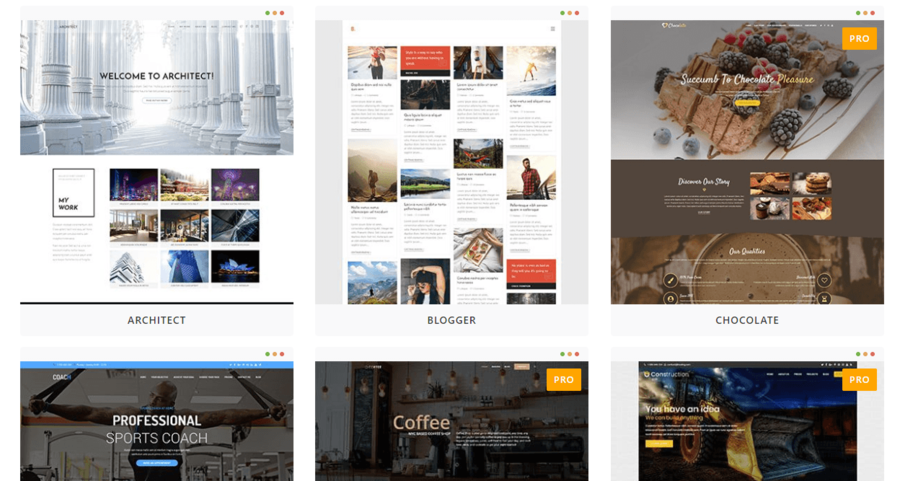
Using a free travel theme is often seen as reasonable for beginners. While it’s free, the functionality is still good. Here are some of the upsides and downsides:
The Pros of Using a Free Travel Theme
Risk-Free Entry and Experimentation:
The most obvious benefit is the lack of financial commitment. For a new travel blogger or a student project, this allows you to test different layouts and feel without an upfront investment. If you find that a particular style doesn’t suit your travel photography or that the navigation is too clunky for your itinerary guides, you can simply delete it and try another. This trial phase is essential for beginners who are still defining their brand identity and aren’t ready to commit to a $60–$100 license.
Strict Security Standards via WordPress.org:
If you download a free theme directly from the official WordPress.org repository, it has undergone a rigorous review process. The theme review team checks for standard coding practices, security vulnerabilities, and basic functionality. This means that while a free theme might be simple, it is generally clean and safe to use. For those comparing a free vs premium travel WordPress theme, knowing that the free version won’t likely contain malicious hidden code provides peace of mind that many unverified third-party premium sites cannot guarantee.
Ease of Use and Minimalist Learning Curve:
Free themes are typically built with simplicity in mind. Because they lack the overwhelming feature bloat of many multipurpose premium themes, the customisation options are usually straightforward and located within the native WordPress Customizer. This is a significant advantage for those who want to focus on writing and travel rather than spending days learning a complex page builder. The streamlined nature of these themes often leads to faster load times out of the box, as there are fewer scripts and heavy features running in the background.
The Cons of Using a Free Travel Theme
Infrequent Updates and Feature Stagnation
WordPress core updates frequently to improve security and performance. Free themes are often passion projects for developers who may eventually lose interest or lack the resources to keep the code updated. This leads to compatibility issues over time. Furthermore, free themes rarely include the high-end features specific to the travel industry, such as advanced booking engines or interactive map markers. As your site grows, you will likely find yourself needing to install multiple plugins to compensate for these missing features, such as the best WooCommerce bookings plugins, which can ultimately slow down your site if not managed correctly.
Generic Design and Limited Branding
The biggest hurdle with free options is that they are used by thousands of other sites. Because customisation options are limited, often restricted to basic colour changes and one or two header styles, it is difficult to make your site stand out. In the competitive world of travel content, having a general website can hurt your brand authority. If your site looks identical to a dozen other blogs, readers may perceive your content as less professional, making it harder to secure sponsorships or build a unique community.
Absence of Dedicated Technical Support
When you use a free theme, you are essentially your own tech support. Developers of free themes are not obligated to help you fix bugs or solve layout issues. While some may answer questions in the WordPress community forums, the response time is often slow or non-existent. For a free vs paid WordPress theme travel blog, this becomes a major issue if your site breaks during a critical traffic spike. Without a support ticket system, you may find yourself spending hours on Google trying to fix a minor CSS error that a support team could have solved in minutes.
Paid WordPress Theme (Pros and Cons)
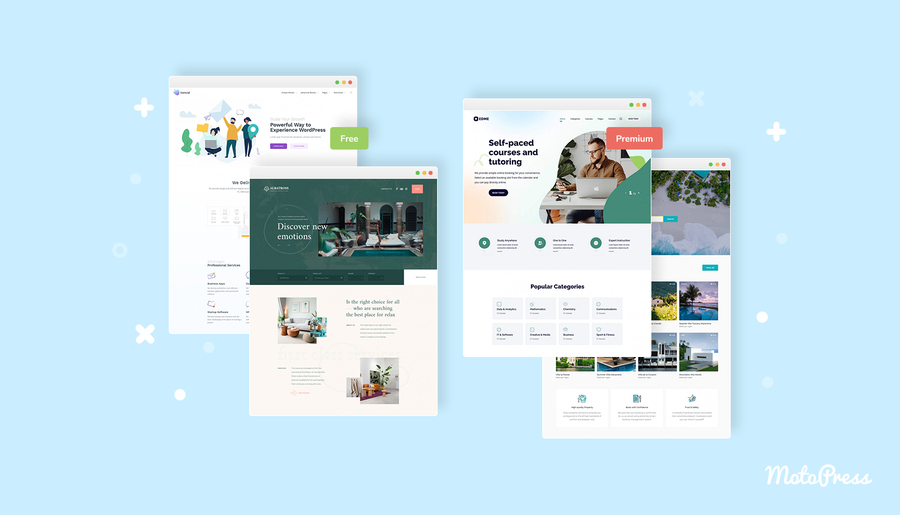
Investing in a premium travel theme is often seen as a milestone for growing websites. While it requires an upfront financial commitment, the return on investment usually manifests in professional-grade features and peace of mind. Here is a detailed look for you to consider before opening your wallet.
The Pros of Using a Paid Travel Theme
All-in-One Niche Functionality
The standout advantage of a premium travel theme is that it is built with a specific business logic in mind. Instead of just giving you a blog layout, premium developers integrate complex systems such as tour-booking engines, availability calendars, and advanced filtering (sorting by price, duration, or difficulty).
For a premium vs free travel theme benefits analysis, this is the most critical point: you are not just buying a design; you are buying a functional toolkit that would otherwise cost hundreds of dollars in separate plugin licenses. These features are designed to work together seamlessly, reducing the risk of software conflicts often found in even the best responsive travel WordPress themes that lack deep integration.
Professional Support and Detailed Documentation:
When you pay for a theme, you are also paying for your operation. Premium themes come with dedicated support teams who can help you troubleshoot layout issues or minor code adjustments. For anyone running a free vs paid WordPress theme travel blog, this is a lifesaver. Furthermore, these themes include extensive documentation and video tutorials that guide you through every setting. If something goes wrong during a high-traffic season, having an expert to turn to ensures your site remains online and functional, protecting your reputation and revenue.
Vulnerability Through Third-Party Bundled Plugins
Many premium travel themes increase their value by bundling popular paid plugins for free within the theme package. While this sounds like a great deal, it creates a significant security and update bottleneck. You often do not receive a direct license for these bundled plugins, meaning you cannot update them via the WordPress dashboard as soon as a security patch is released. Instead, you must wait for the theme developer to test the new plugin version and release a full theme update.
Market-Leading Examples of Premium Utility
To see these benefits in action, look at top-tier industry standards like Travel Tour and LuxStay.
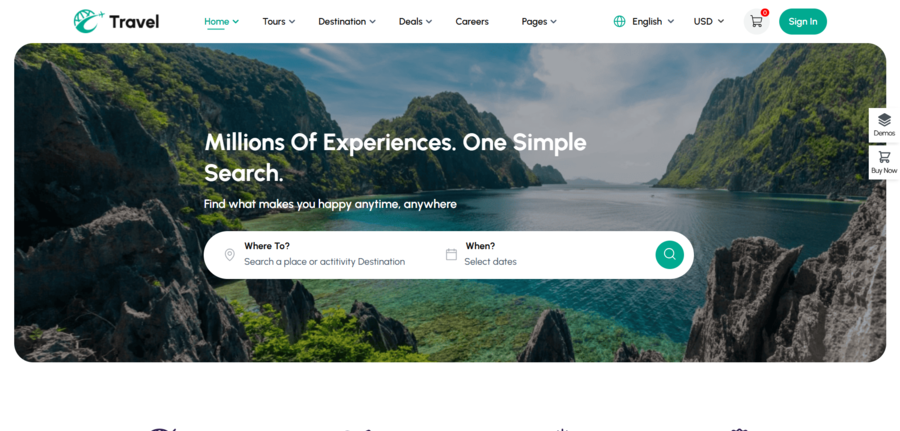
Travel Tour is a prime example of niche-specific functionality, offering a comprehensive tour management system that handles everything from custom pricing for different services to physical tour booking, features that would require multiple complex plugins if using a free theme.
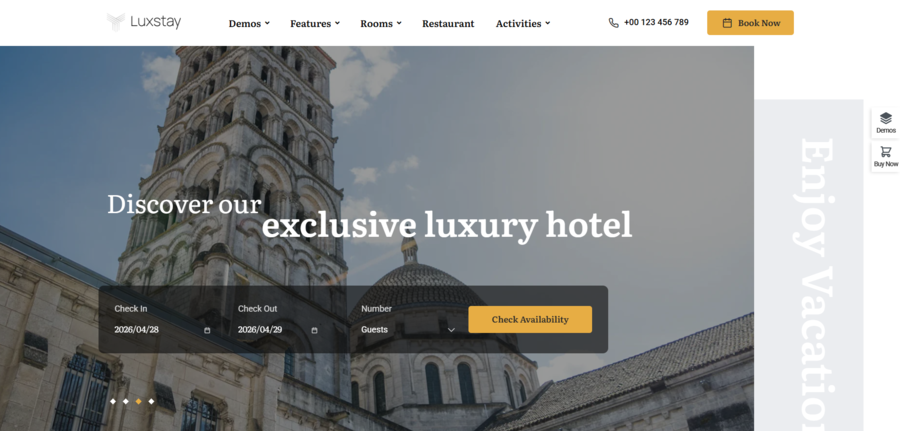
LuxStay demonstrates the aesthetic and functional power of premium designs, specifically tailored for the hospitality sector. It integrates a dedicated “Hotel Booking” system and high-end room management layouts that provide the professional look that is nearly impossible to replicate with a generic free template.
These themes illustrate why the investment is often justified: they transform a standard website into a fully operational business platform right out of the box.
The Cons of Using a Paid Travel Theme
Steeper Learning Curve and Platform Lock-In
Because premium themes are so powerful, they can also be overwhelming. The sheer number of settings, custom post types, and design modules can take days or even weeks to master. Furthermore, many of these themes use shortcodes or proprietary builders to create their beautiful layouts. So if you ever decide to switch to a different theme in the future, your content may not transfer correctly, leaving you with a mess of broken code. This makes the initial choice of a premium theme a long-term commitment that is difficult to reverse.
Risk of Feature Bloat
One of the major differences travel WordPress themes in the premium category face is the too many features. In an attempt to justify the price, developers often pack the theme with dozens of features, sliders, and animation scripts that you might never use. This extra code can significantly slow down your website’s loading speed. You must be careful to choose a theme that is well-coded and lightweight, rather than just one that looks flashy.
Recurring Costs and License Limitations
Many users assume a premium theme is a one-time purchase, but that is rarely the case. Most licenses on platforms like ThemeForest or via independent developers only include 6 to 12 months of support and updates. To keep your site secure and compatible with the latest version of WordPress, you will often need to pay an annual renewal fee. Additionally, many licenses are valid for only one website. If you plan on launching multiple travel niche sites, the costs can stack up quickly, making it a significant ongoing expense for a small business or solo creator.
Choose a Travel WordPress Theme
Selecting a theme is more than just a design choice; it is a strategic decision that determines how your audience interacts with your brand. Your selection process should be rigorous. Here is what you need to look for to ensure your site is built for success.
1. Mobile-First Responsiveness and Performance
You must prioritise a mobile-first design. This means the theme was built specifically to function flawlessly on smartphones, with touch-friendly navigation, collapsible menus, and simplified booking forms. When evaluating free vs premium travel WordPress theme options, test the mobile demo of each. Look for fast loading speeds; travel sites are often heavy with high-resolution imagery, and a poorly optimised theme will frustrate users on 4G or 5G networks. Aim for a theme that scores high on Core Web Vitals to ensure both a better user experience and higher SEO rankings.
2. Niche-Specific Functionality and Integration
A great travel theme should act as an all-in-one solution for your specific business model. If you are running an agency, look for integrated “Smart Booking” systems that include real-time availability calendars and secure payment gateway support. For bloggers, focus on Visual Storytelling features such as interactive Google Maps, masonry galleries, and custom post types for itineraries. One of the major differences travel WordPress themes offer is how they handle data; a high-quality theme will provide Schema Markup for travel, which helps search engines display your tour prices or ratings directly in the search results, significantly boosting your click-through rate.
3. Customisation Depth and Future Scalability
Your travel brand will evolve, and your theme needs to grow with it. Ensure the theme is compatible with popular page builders like Elementor or Gutenberg, allowing you to create custom landing pages without writing code. You can compare your options in this list of the best free & paid landing page builders.
Look at the developer’s update history. A theme that hasn’t been updated in six months is a security risk. Whether you are weighing the premium vs free travel theme benefits, remember that the best choice is one that offers a balance of aesthetic beauty, technical stability, and the flexibility to add new features as your travel business expands.
FAQ of the Topic
Can I switch from a free theme to a premium one later?
Yes, you can switch themes at any time. However, be aware that many travel-specific features are tied to the theme. If you switch, you may need to reformat some of your content to match the new theme’s structure.
Are premium travel themes faster than free ones?
Not necessarily. While many premium themes are built for performance, some can be bloated with too many features. Conversely, some free themes are very lightweight and fast. It is important to check the speed documentation of any free vs premium travel WordPress theme before installing it.
Do I need a premium theme to accept bookings?
While there are free plugins available for bookings, many premium travel themes include a purpose-built booking system that is visually integrated with the design. This often provides a more seamless experience for the customer.
Conclusion
Deciding between a free vs premium travel WordPress theme ultimately depends on the scale of your project and your long-term vision. Free themes offer a risk-free way to start and are perfect for getting into the travel world. Free themes are ideal for personal diaries or low-budget passion projects, especially if you prefer minimalist travel WordPress themes where simplicity is a virtue.
However, as your site grows and the competition for traveller attention increases, the limitations in support and features may become a bottleneck. Premium themes provide a more robust, all-in-one solution that can give your travel business a professional edge through advanced functionality, better SEO structures, and dedicated developer support. Y
You can choose the foundation that will help your travel site thrive in the years to come.
Read more: How to Choose a Travel WordPress Theme (Beginner-Friendly Guide)?
You may also like

How to Make a Travel Website with WordPress (Step-by-Step Guide)
Posted on March 27, 2026Are you looking to start your own travel agency, tour company, or destination blog? In the past, building a professional booking platform required a massive budget and a team of developers.
Fortunately, things have changed. With the right tools, anyone can create a travel agency website that looks professional and functions

How to Start a Travel Blog with WordPress (With Theme Recommendations)
Posted on March 26, 2026Do you dream of travelling the world, sharing your adventures, and getting paid to do it? You aren’t alone. Many people want to start a travel blog, but the technical side of setting things up often feels overwhelming.
The good news is that nowadays, you don’t need to be a developer