

How to Build a WordPress Website: Step-by-Step Beginner Guide
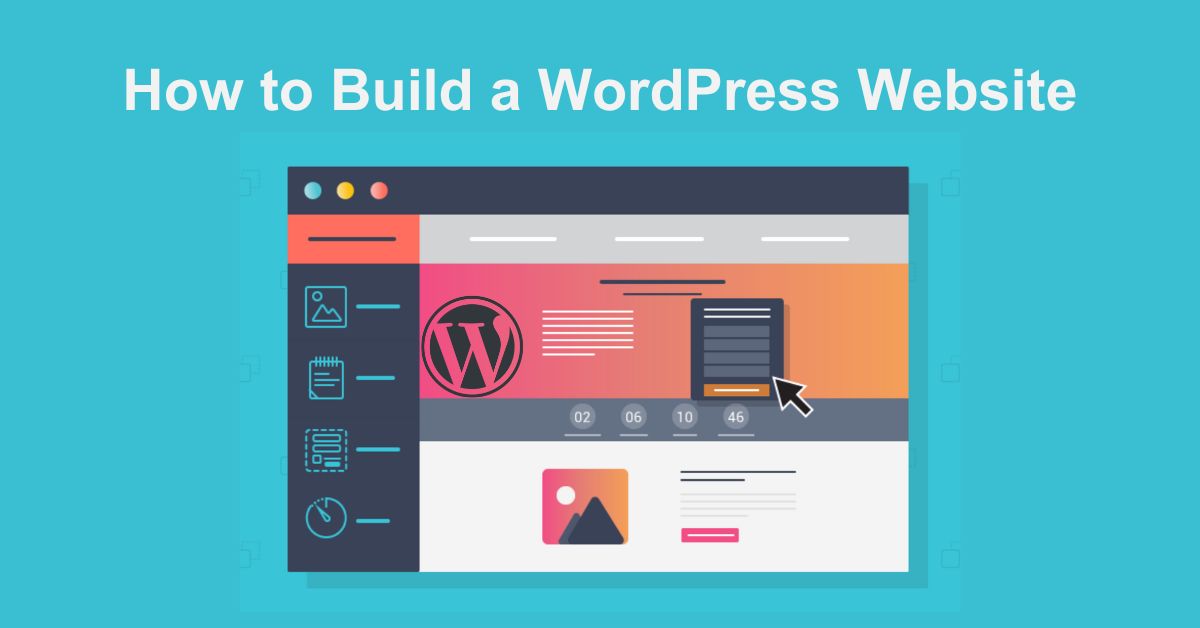
Building a website used to require coding skills, technical knowledge, and expensive tools. But today, anyone can build a WordPress website quickly—even beginners with zero experience. WordPress powers more than 43% of all websites, making it the world’s most popular platform for bloggers, businesses, online stores, and eLearning websites.
In this updated guide, you’ll learn how to build a website with WordPress step by step, including choosing a domain, selecting hosting provider, installing WordPress, picking a theme, and customizing your design.
Whether you want to launch a personal blog, small-business website, portfolio, or online course platform, this tutorial will walk you through everything in a beginner-friendly way.
What Is a WordPress Website?
A WordPress website is a site built using the WordPress content management system (CMS)—a free, open-source platform written in PHP and powered by a MySQL/MariaDB database. It allows anyone to create, customize, and publish websites without needing to code.
There are two versions of WordPress, and understanding the difference is essential before you build your site.
WordPress.com vs WordPress.org: Which Should You Choose?

WordPress.com vs WordPress.org, which one to choose now:
WordPress.com
- Fully hosted platform
- Limited design freedom
- Good for hobby blogs
- No need to buy hosting
- Many advanced features require paid plans
WordPress.org (Self-Hosted)
- Full control and ownership
- Unlimited customization
- Access to thousands of themes and plugins
- Requires your own hosting
- Best for business websites, online stores, and eLearning platforms
To build a website using WordPress professionally, always choose WordPress.org. It gives you flexibility, better SEO, and the ability to scale your website in the future.
What You Need to Build a WordPress Website
Before we dive into the steps, here’s what you need:
- A domain name (your website address)
- A hosting plan
- WordPress installation
- A theme (design template)
- Plugins for additional features
Once you have these, you’re ready to begin.
How to Build a WordPress Website in 10 Easy Steps (Today Version)
Step 1: Choose a Topic or Purpose for Your Website
Decide what your website will be about:
- Business website
- Portfolio
- Blog
- Online school
- eCommerce store
- Coaching site
Your topic determines which theme, plugins, and structure you should use. Working with a clear purpose also makes future content creation easier.
Step 2: Pick a Domain Name
Your domain should be:
- Easy to read
- Simple to type
- Relevant to your brand or niche
- Short and memorable
For example:
- yourname.com
- mycoachinghub.com
- bestonlinelearning.net
If the .com extension is unavailable, try .net, .co, .io, or a niche extension like .academy or .online.
Step 3: Choose a Web Hosting Provider
Your hosting determines your website speed, security, and overall performance. Three common types of hosting include:
- Shared Hosting – affordable and beginner-friendly
- VPS Hosting – more power and flexibility
- Dedicated Hosting – best for large, high-traffic sites
Choose a host that offers:
- 1-click WordPress installation
- Free SSL certificate
- Good uptime
- Fast customer support
Once hosting is ready, you can install WordPress in minutes.
Step 4: Install WordPress
Most hosting providers offer one-click installation through the control panel. After installation, you can log in to your WordPress dashboard at:
yourdomain.com/wp-admin
Here is where you’ll manage pages, posts, plugins, themes, and all website settings.
Step 5: Configure Your WordPress Settings
Before designing your website, update these important settings:
✔ Set your website title and tagline
Go to Settings → General.
✔ Change permalinks for better SEO
Go to Settings → Permalinks → Post Name (recommended).
✔ Set your timezone and language
This helps with scheduling posts and managing plugins.
These small optimizations help your site run smoothly and improve SEO.
Step 6: Choose a WordPress Theme
Your theme controls your website’s look and layout. WordPress offers thousands of free and premium themes for all types of websites.
Look for:
- Responsive design
- Fast loading speed
- SEO-friendliness
- Regular updates
- Compatibility with modern builders
If you’re building an online learning or education website, consider:
- Eduma – the #1 Education WordPress Theme integrated with LearnPress
- Online Learning – a free block-based theme optimized for LearnPress
For general websites, Astra, GeneratePress, and Neve are popular lightweight options.
Choose a theme that matches your brand style and the purpose of your website.
Step 7: Install Essential Plugins
Plugins add extra features to your website. While you can install thousands, it’s better to start with essential ones:
Must-Have Plugins for All Websites
- SEO: Rank Math or Yoast SEO
- Security: Wordfence or iThemes Security
- Backup: UpdraftPlus
- Caching: LiteSpeed Cache or WP Super Cache
- Contact Forms: WPForms
Plugins for Education Websites
If you plan to build an online course website, you can use:
- LearnPress – a free LMS plugin used by over 100,000 eLearning sites
- Add-ons for courses, quizzes, certificates, etc.
With LearnPress + Eduma, you can create a complete online school without writing code.

Step 8: Create Your Core Website Pages
Before publishing your website, create essential pages such as:
✔ Home Page
Overview of your brand or purpose.
✔ About Page
Tell visitors who you are and what you do.
✔ Contact Page
Include a form, email, map, or social links.
✔ Privacy & Policy Pages
Required for legal compliance.
✔ Blog Page
Where your articles will appear.
✔ Courses Page (if using LearnPress)
Displays your online courses.
Creating these pages builds trust with your visitors and establishes your site structure.
Step 9: Customize Your Website Design
Now it’s time to style your website. Using the WordPress Customizer or a page builder like Elementor/Bricks, you can:
- Add your logo
- Change colors and fonts
- Customize the header and footer
- Set up menus
- Add widgets
- Build a homepage layout
Take your time to refine your design. A clean and consistent layout improves user experience and increases engagement.
Step 10: Publish and Promote Your WordPress Website
Once your pages and design are ready, it’s time to go live.
✔ Publish Your Website
Click the “Publish” button and check your pages on desktop and mobile.
✔ Start Adding Content
Publish blog posts consistently to build traffic and authority.
✔ Promote Your Website
Use:
- Facebook & Instagram
- YouTube
- Guest blogging
- Email marketing
✔ Optimize for SEO
Include your keywords in:
- Title
- Meta description
- Headings
- Image alt text
- URL slug
- Body content
✔ Monitor Performance
Use Google Search Console and Google Analytics to track visitors and rankings.
Don’t Forget: Back Up Your WordPress Website
Website failures can happen any time due to plugins, coding errors, hacking, or hosting issues. Always back up your website regularly using plugins like:
- UpdraftPlus
- Jetpack Backup
- BlogVault
This ensures your data remains safe and recoverable.
Final Thoughts: Build a Website Using WordPress Today
Now you know exactly how to build a WordPress website from scratch—even if it’s your first time. With WordPress, you get complete control, flexible customization, and access to thousands of themes and plugins. Whether you want to launch a blog, business site, or online school, WordPress is the best platform to grow online.
If you’re building an education or course website, consider using LearnPress along with a theme like Eduma or Online Learning to get the best LMS experience.
Ready to start?
Choose your hosting, install WordPress, pick your theme, and begin building your dream website today!
Read more: WordPress Booking Plugin Collection
You may also like
8 Common Travel Website Design Mistakes That Can Reduce Bookings
Posted on June 25, 2026Think about the last time you booked a trip online. You probably had five different browser tabs open, comparing flights, hotels, and local tour operators. You were looking for the perfect getaway, but you were also looking for a seamless experience. Now, think about what made you close some of those tabs without buying.

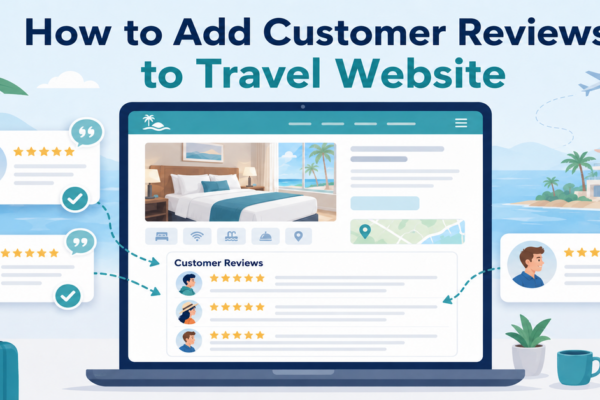
How to Add Customer Reviews to Travel Website
Posted on June 22, 2026When planning a vacation, a weekend getaway, or a guided tour, travellers naturally want reassurance from real people who have already spent their hard-earned money on those experiences. Because they cannot physically test your travel services before purchasing, they look for visual indicators of safety, quality, and reliability. Adding genuine feedback directly onto your